

The Word Family
Stories from their strange lives
Seven word families become characters before returning as companion essays about expertise, authority, trust, assurance, governance, knowledge and evidence.
Cereark Group publishing institution
Cereark Press publishes rigorous, readable work on language, judgement, institutions, responsibility and the systems people build around them.
Current books
Each current title has its own subject, audience and publication route. The Press gives both the same editorial and production standard, while stating their different live availability precisely.

Stories from their strange lives
Seven word families become characters before returning as companion essays about expertise, authority, trust, assurance, governance, knowledge and evidence.

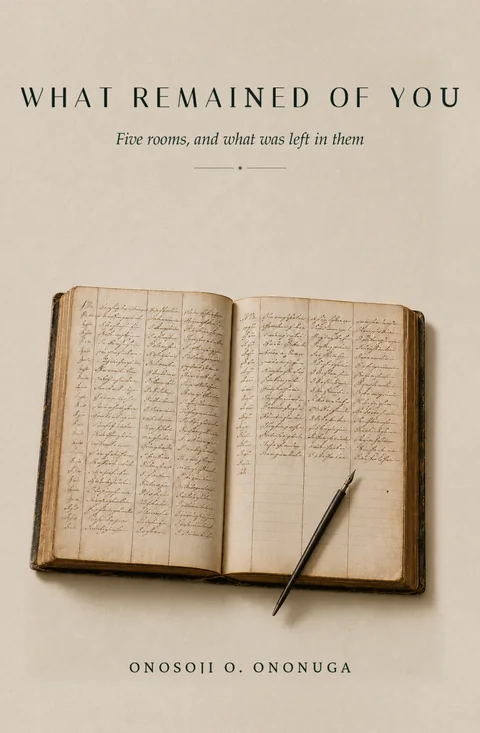
Five rooms, and what was left in them
Five rooms and five companion essays ask what survives mechanisation and abstraction, and where accountability finally rests when a function outlives the person who once performed it.

Cereark Press · Publishing programme
A focused catalogue, built title by title.
Media, review-copy and rights enquiries are handled for each book individually, while the imprint maintains common standards for evidence, production control, metadata and publication status.
What we publish
We are building a focused catalogue rather than a content factory. Each title should have a clear reason to exist, a defined audience and a standard of evidence that can survive scrutiny.
Work that looks closely at the concepts, words and inherited assumptions that shape how people decide and act.
Practical and analytical publishing on quality, assurance, resilience and the institutional capabilities behind dependable systems.
Books and papers examining how states and institutions retain understanding, control and freedom of action in technology-dependent environments.
The imprint
Cereark Press exists to give substantial work a durable home. We care about what a publication says, but also about what edition it is, when it was created, what evidence supports it and how its status is represented.
That means clear metadata, controlled editions, explicit publication status and a catalogue that distinguishes live availability from work still moving through production.